
A business website is often the first meaningful interaction a potential customer has with your brand. Long before someone calls your team, visits your office, or requests a quote, they may browse your services online, compare your business with competitors, and decide whether your organisation appears professional and trustworthy.
A visually attractive website can create a strong first impression, but appearance alone is not enough. Your website should also load efficiently, work properly across different devices, present information clearly, and guide visitors towards the right next step.
For businesses operating in competitive markets, a carefully planned website is not simply an online brochure. It is a practical tool that can support visibility, build credibility, and generate enquiries. The most effective websites combine thoughtful design with reliable functionality and clear communication.
Why Your Website Matters More Than Ever
Customers expect to find useful information quickly. When they visit your website, they may want to understand your services, compare options, check your location, read about your experience, or contact your team.
If your website feels outdated, difficult to use, or slow to load, visitors may leave before learning what makes your business different. Even a strong service offering can be overlooked when the online experience creates frustration.
A professional website helps your business communicate clearly. It gives potential customers a structured way to explore your services and take action when they are ready. It can also support your wider digital marketing efforts, including search engine optimisation, paid advertising, social media campaigns, and email marketing.
Your website should become a central part of your growth strategy rather than an afterthought.
Essential Elements of a Strong Business Website
A successful website needs more than a polished homepage. It should deliver a consistent and helpful experience across every important page.
Key elements include:
- Clear navigation: Visitors should be able to find your main services, contact details, and important information without searching through complicated menus.
- Mobile-friendly layouts: Pages, buttons, images, and forms should work properly on smartphones and tablets.
- Fast-loading pages: Large images and unnecessary design features should not slow down the user experience.
- Relevant service pages: Each core service should have a dedicated page with clear and useful information.
- Simple calls to action: Visitors should know how to request a quote, book an appointment, call your team, or submit an enquiry.
- Trust-building information: Include genuine testimonials, business details, team information, and relevant experience where appropriate.
- Consistent branding: Colours, images, tone of voice, and page layouts should feel connected across the website.
- Secure browsing: Protect user confidence by maintaining a secure and professionally managed website.
These elements work together to create a smoother customer journey.
Start With a Strategy, Not Just a Template
A template can provide a starting point, but your business needs more than a generic layout. The website structure should reflect your services, target audience, goals, and customer journey.
A professional website design agency brisbane businesses can rely on should begin by understanding what visitors need to accomplish. A service-based company may need clear enquiry pathways and detailed service pages. A healthcare provider may need simple appointment options and accessible information. A real estate business may need property listings, appraisal forms, and suburb-specific content.
Before designing the website, consider the questions customers regularly ask. Identify which pages will answer those questions and determine where each page should guide the visitor next.
Planning the structure first helps reduce unnecessary clutter and ensures that every section has a purpose.
Combine Visual Appeal With Reliable Functionality
Good design attracts attention, but functionality keeps visitors engaged. Your website should feel professional while remaining simple to use.
This is where working with a capable web development company in brisbane can make a meaningful difference. Development decisions affect how forms work, how pages display across devices, how content is managed, and how effectively the website supports future growth.
The design and development process should consider the practical needs of your business. For example, you may need enquiry forms, appointment requests, online booking features, service location pages, blog content, or integrations with other systems.
A website should also be flexible enough to evolve. As your business adds new services, targets additional locations, or expands its marketing activities, the website should support those changes without requiring a complete rebuild.
Create Service Pages That Answer Real Questions
Your service pages are some of the most important areas of your website. Each page should explain what you offer, who the service is designed for, and how someone can take the next step.
Avoid writing vague paragraphs filled with promotional language. Instead, focus on the questions potential customers may ask:
- What does the service include?
- Who is the service suitable for?
- What problem does it help solve?
- What can the customer expect from the process?
- Why should someone consider your business?
- How can the customer request more information?
- Which locations do you serve?
Clear service pages help visitors make informed decisions. They also make it easier to direct people from search results, advertisements, and social media posts to the most relevant information.
Choose a Partner Based on More Than Appearance
Finding a website partner should involve more than reviewing attractive portfolio images. A website can look impressive while still being difficult to navigate, slow to load, or poorly structured.
When comparing providers and searching for the best web design company in brisbane, evaluate how each business approaches strategy, communication, user experience, and ongoing support. Ask whether they understand your audience and whether the proposed website will support your broader marketing goals.
A reliable provider should be able to explain its recommendations clearly. You should understand why certain pages, features, or design decisions are being proposed.
The goal is not to choose the most complex website. It is to create the most effective website for your business and your customers.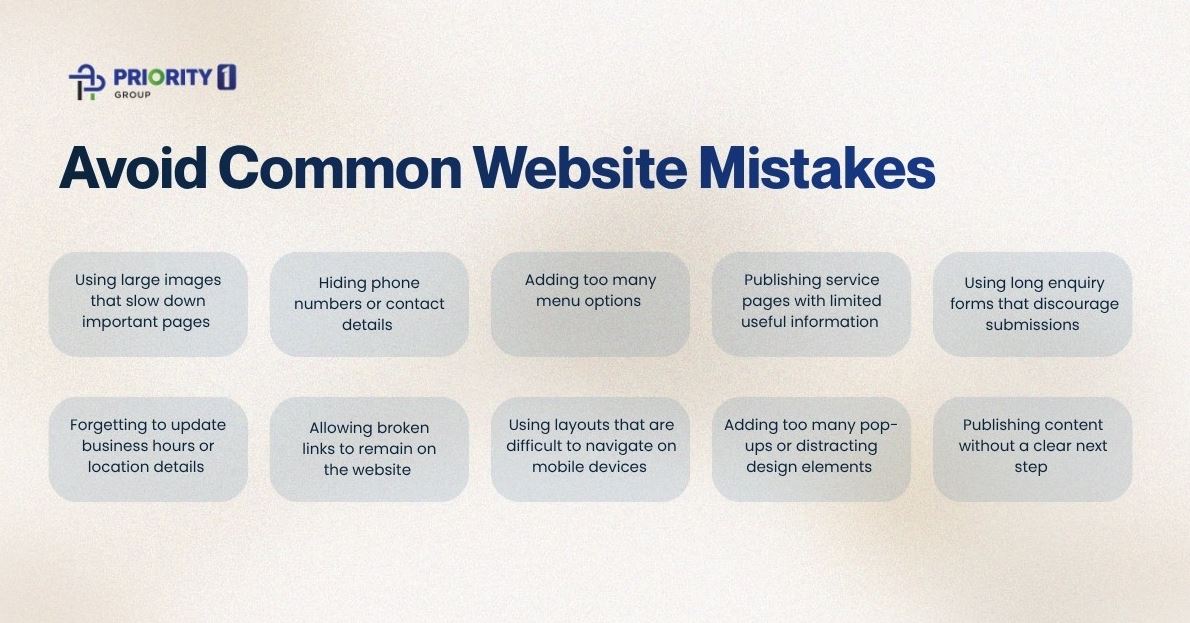
Avoid Common Website Mistakes
Small website issues can reduce trust and lead to missed opportunities. Regular reviews can help identify problems before they affect the customer experience.
Common mistakes include:
- Using large images that slow down important pages
- Hiding phone numbers or contact details
- Adding too many menu options
- Publishing service pages with limited useful information
- Using long enquiry forms that discourage submissions
- Forgetting to update business hours or location details
- Allowing broken links to remain on the website
- Using layouts that are difficult to navigate on mobile devices
- Adding too many pop-ups or distracting design elements
- Publishing content without a clear next step
A website should make it easier for customers to engage with your business, not create additional barriers.
Build Trust Through Helpful Content
A website becomes more valuable when it provides useful information beyond basic service descriptions. Educational articles, practical guides, case studies, and frequently asked questions can help visitors understand their options.
Content should be relevant to your target audience. A bookkeeping business could publish guides about maintaining organised records. A digital marketing agency could explain how businesses can evaluate campaign performance. An NDIS support provider could create clear articles about accessing different types of support.
Useful content demonstrates experience and helps your website become a reliable resource. It can also support long-term search visibility by addressing the questions potential customers are actively asking.
Avoid publishing generic articles simply to fill space. Focus on clarity, relevance, and practical value.
Support Your Growth With Priority1 Group
Building an effective website involves more than selecting colours and uploading images. Your website structure, content, design, functionality, and marketing strategy should work together.
Priority1 Group supports businesses with website design and development solutions that focus on professional presentation, efficient functionality, and meaningful customer journeys.
Our digital marketing services can also support your wider online presence through search engine optimisation, paid advertising, social media marketing, content development, and performance-focused improvements.
Rather than using a one-size-fits-all approach, we consider your business goals, services, target audience, and growth opportunities. The objective is to create an online presence that helps potential customers understand your value and take the next step with confidence.
Measure Performance and Keep Improving
A website should not be treated as a one-time project. Regular reviews can help you identify which pages are working well and where visitors may be losing interest.
Useful indicators to monitor include:
- The number of enquiries submitted through the website
- Calls generated from website contact buttons
- Visits to important service pages
- Mobile user engagement
- Form completion rates
- Pages where visitors leave the website
- Website loading performance
- Traffic generated through search engines
- Enquiries generated through paid campaigns
- Content pages that attract relevant visitors
These insights can guide future improvements. For example, a service page attracting regular visits but generating few enquiries may need a clearer call to action, more useful information, or a simpler contact form.
Conclusion
A strong website should reflect the quality of your business. It should help potential customers find information, understand your services, and contact your team without unnecessary confusion.
The most effective websites combine thoughtful design, reliable development, useful content, and a clear customer journey. They are visually professional without becoming complicated. They also evolve as the business grows and customer expectations change.
Priority1 Group helps businesses create websites and digital strategies that support meaningful online growth. With the right foundation and ongoing improvements, your website can become a valuable tool for building trust and generating enquiries.